
Oil, a look at the past

Oil, a look at the past
Today, thanks to an excellent production and the possibility of transporting goods all over the world, we all know oil, but in the past the history of this food has known ups and downs and moments of oblivion.
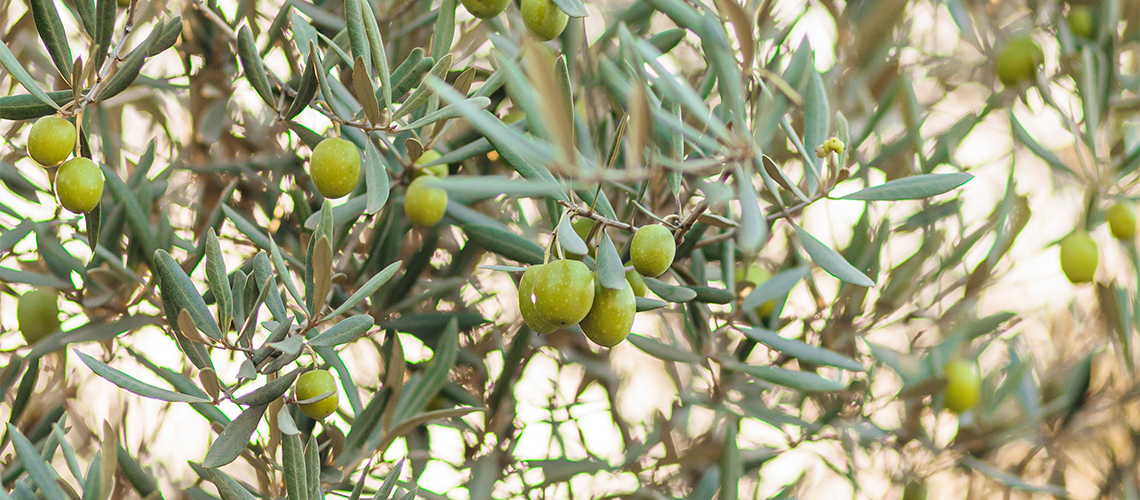
The olive tree Olea Europea has been cultivated since ancient times in the Mediterranean basin and it is supposed that the cultivation has been born in Palestine or even further east. In fact, the cultivation extends to the south of the Caucasus, Iran, Anatolia, to Syria, to Mesopotamia.
Ancient origins
We already have first testimonies among the ancient Egyptians, but it is in ancient Greece that its cultivation becomes widespread, around the seventh century a.C. Hippocrates, a couple of centuries later, recommends its use as a soothing on wounds. The athletes sprinkle the body to enhance vigor and beauty. It is used both for nutritional purposes and to power the lamps.
The olive tree is associated with the name of the goddess Athena, protector of wisdom, arts and war, and becomes a sacred tree so as to export the cultivation practices to the Greek colonies, especially in Italy.
Romans and the “green gold”
Here already the Etruscans traded olive oil, but we have no evidence of who first began cultivation. The fact is that it was the Romans who linked their name to “green gold” both as producers and as skilled traders thanks to their trade routes across the Mediterranean and the countries of the empire. They brought with them the culture of oil handed down to all peoples.
Decline and rebirth
The consumption of oil marks a sharp setback with the collapse of the empire. The arrival of the new colonizers from central Europe brings on the tables meat and animal fat. This change in food uses continues throughout the Middle Ages and the Renaissance. Oil remains only in the countryside and is seen as a poor food, banned from court banquets.
Only in the twentieth century will it be back again “in fashion”, thanks to innovations both in cultivation and especially in pressing, but especially for a new acquired scientific awareness of the healthy properties of food. It was Professor Ancel Benjamin Keys who worldwide promoted the concept of “Mediterranean diet” and gave a boost in the use of extra virgin olive oil instead of animal fats.
About the Author